


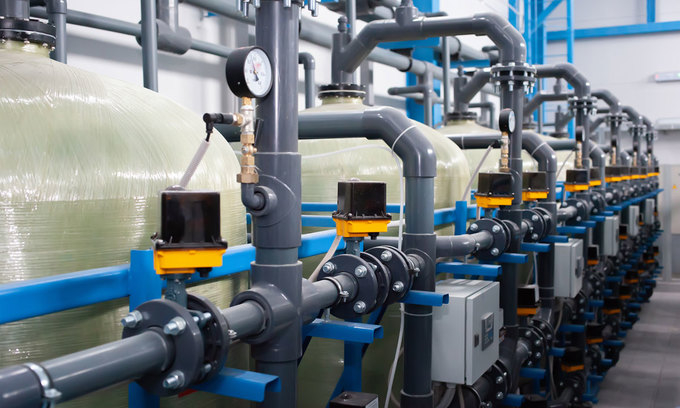
1. Filters: used for fluid clarification, to remove impurities and contaminants from crude oil, natural gas and process water. We are committed to finding the best filtration solutions that mee the specific needs of our clients. Through our partnership with top manufactures in Europe and USA, we provide a diverse range of filtration services that are tailored to meet individual requirements.
2. Valves: to control the flow of fluids in pipeline and other equipments
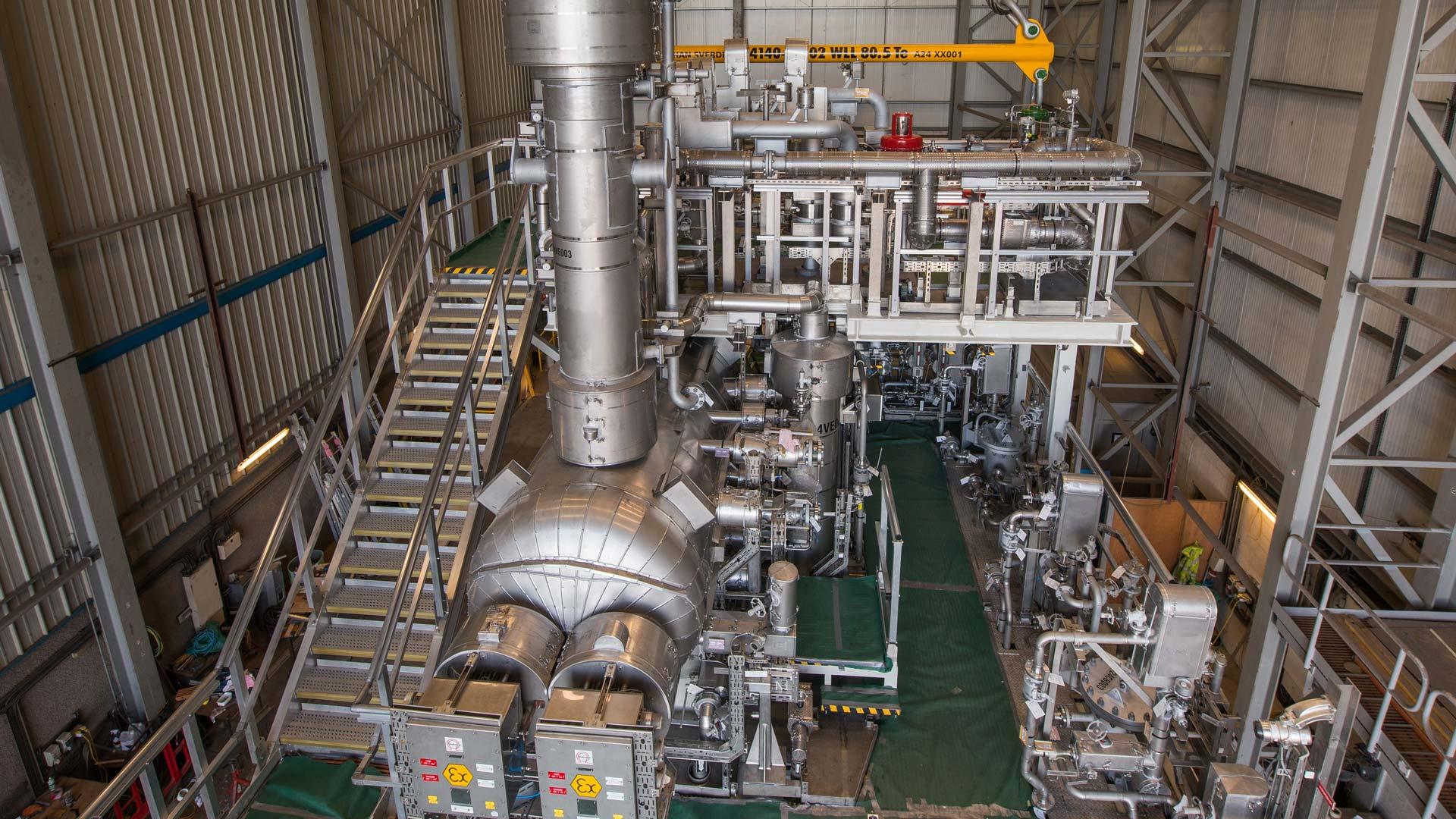
3. Heat exchangers: used to control the temperature of produced fluids such as natural gas, crude oil and water.
4. Compressors : used to compress natural gas for transmission through pipelines.
1. Amine-based chemicals: Monoethanolamine (MEA), diethanolamine (DEA), triethanolamine (TEA) and methyldiethanolamine (MDEA)
2. Glycol based chemicals : Glycols, such as Triethylene Glycol (TEG), as used to dehydrate natural gas streams by absorbing water vapor
3. Corrosion inhibitors: used to prevent corrosion in pipelines and other equipment in contact with sour gases.
4. Defoamers: used to prevent foam formation in gas streams, which can cause processing complications.
5. Gas odorants: used to add a distinct smell to natural gas or propane.
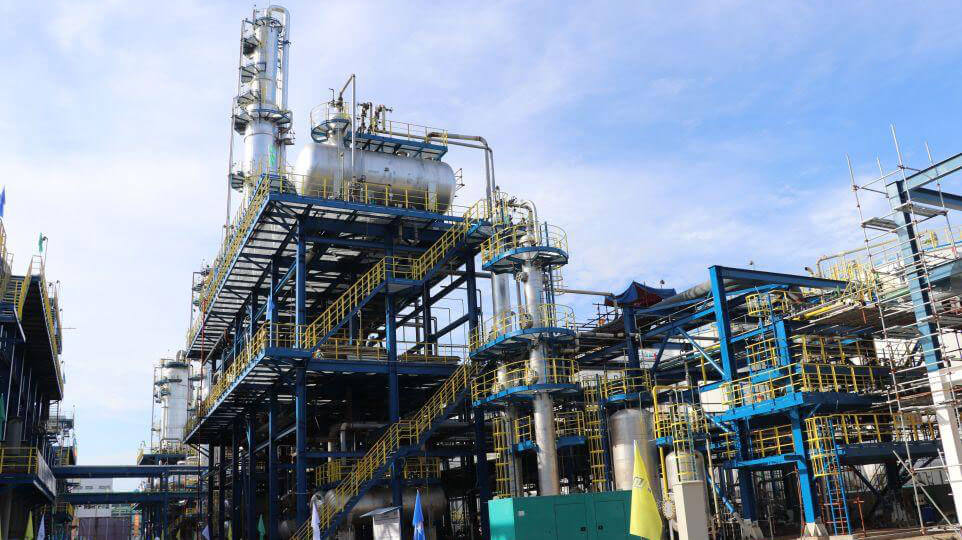
1. Catalysts: Catalysts, such as alumina-supported cobalt and molybdenum oxides, are used in Claus process, which is the primary method of sulfur recovery.
2. Activated carbon: Used to remove sulfur-containing impurities from gas streams.
3. Ceramic balls: to provide a stable, inert support structure for the Clause Catalyst, allowing the catalyst to operate at high conversion rates and low temperature

1. Demulsifiers: to help separate the oil and water mixtures and keep the desired chemicals separate for further use in their different forms.
2. Corrosion Inhibitor: to prevent the rusting of metal equipment used in oil extraction processes.
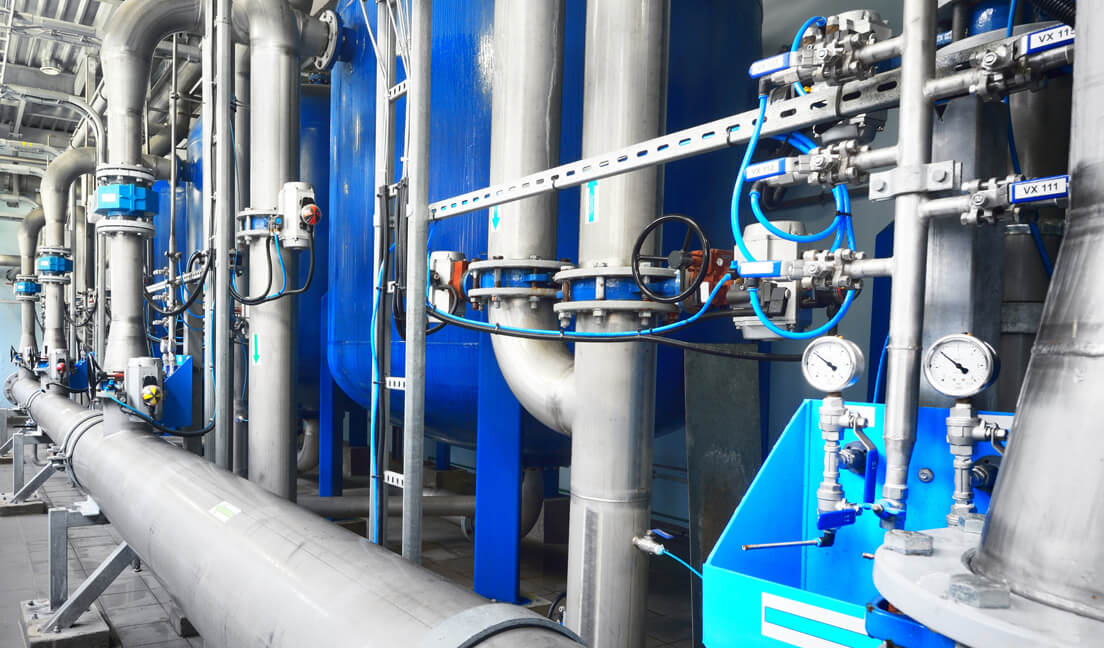
1.Coagulants
2.Flocculants
3.Biocides
4.Corrosion inhibitors